- Health
- Operations
Nutrition practice has an adherence problem, not a documentation problem
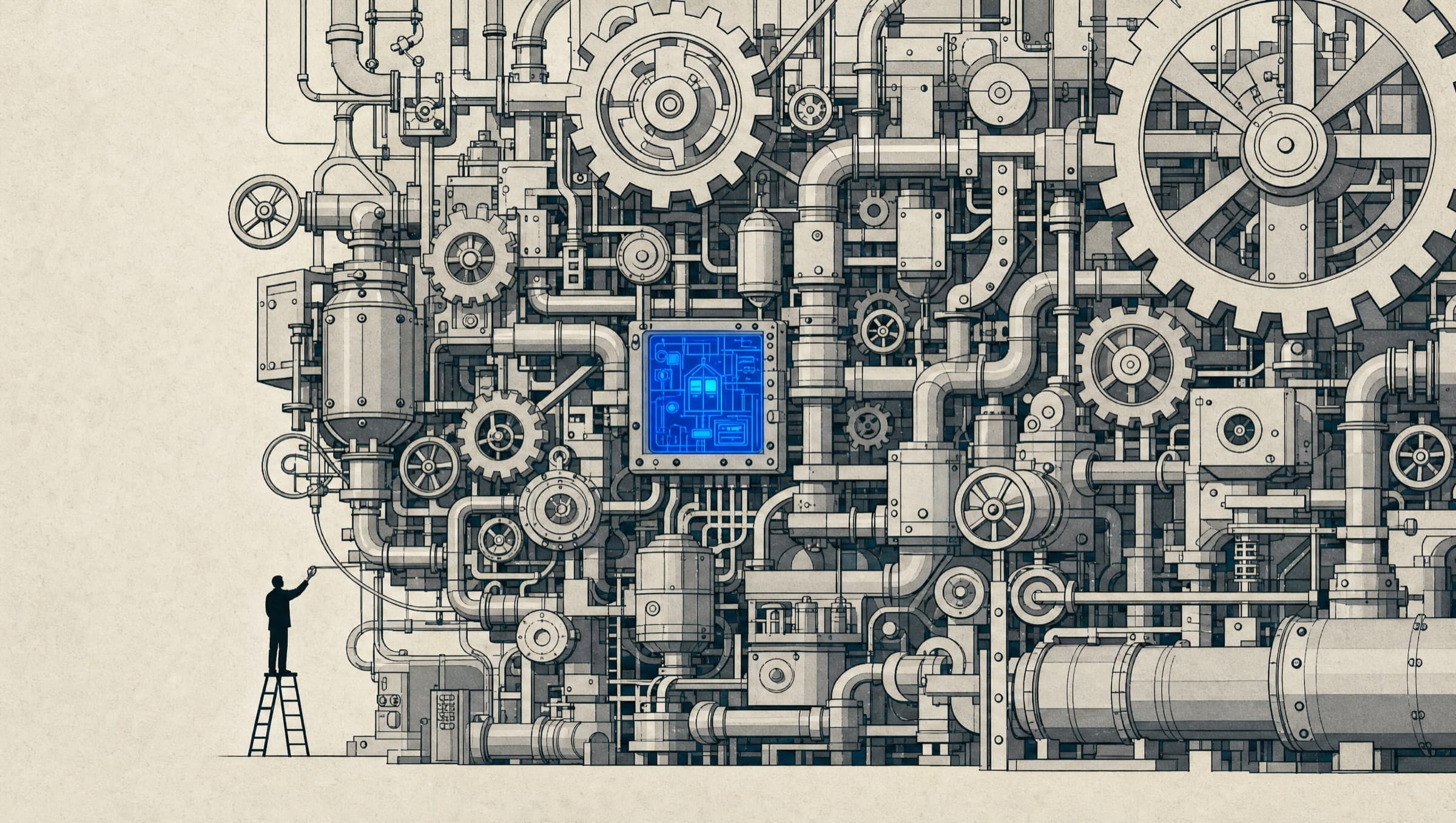
Almost every AI product aimed at clinical practice automates the notes. Notes were never where the outcome was decided. The plan is kept or lost in the week nobody is watching, at the moment someone orders lunch.

Two thirds of US physicians now report using AI in practice, up from 38% in 2023. It is one of the fastest adoption curves any profession has produced, and almost all of it points at the same target: documentation.
Ambient scribes, note generators, structured-output tools that understand the Nutrition Care Process, ADIME format and PES statements. For dietetics specifically there is now a small industry producing AI documentation that speaks the profession's own vocabulary.
This is good work and it solves a genuine problem. Clinicians did not train for a career in typing, and the administrative load in practice is real, well documented, and a meaningful contributor to people leaving the profession.
But it is worth being precise about what it does and does not change, because we have spent the last period building for nutrition practices, and the pattern underneath is not what the product category assumes.
Documentation is a practitioner problem, not an outcome problem
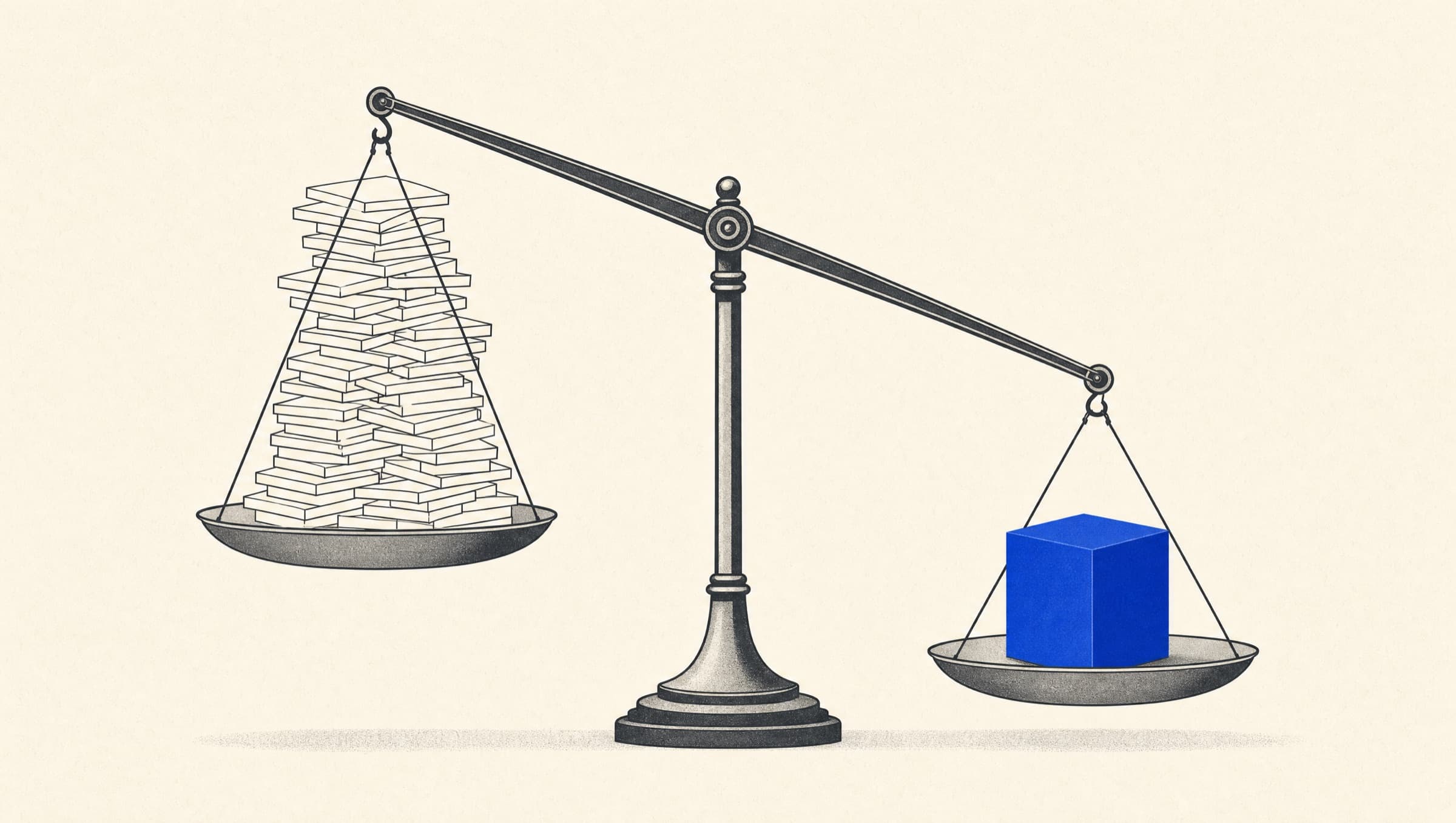
Automating notes gives a practitioner time back. It does not make a client's diet change.
The consultation was rarely the failure point. In a nutrition practice, the half-hour in the consulting room usually goes well. The assessment is competent, the plan is sound, the client understands it and leaves intending to follow it. Nobody walks out of that room confused about what they agreed to.
The plan is lost afterwards. It is lost on Thursday at 1pm, standing in front of a menu, four days after the appointment, with a PDF somewhere in an email thread that will not be reopened.
That is the actual failure point, and no amount of documentation quality reaches it. You can generate a perfect ADIME note in nine seconds and change nothing at all about what happens on Thursday.
The week is invisible, and that is the whole design problem
Practice software is built around the appointment because the appointment is the billable, schedulable, observable event. Everything the software knows, it learns in the room.
The consequence is that practitioners operate with almost no information about the period that determines the result. A client returns in three weeks and reports how it went, from memory, compressed, and shaped by wanting to have done well. The practitioner adjusts a plan based on a summary of a period neither of them can see.
Meanwhile the real signal exists, and it exists at the moment of decision. Not "what did you eat last week," which is a recall exercise, but "does this specific thing I am about to order fit the plan I agreed to," which is a question with a correct answer and a consequence attached.
This is the gap our nutrition work was built around: the moment before eating is the only moment when the information changes the outcome. Afterwards it is data collection. In the room it is intention.
What we got wrong first
We did not arrive at that cleanly, and the mistake is instructive because it is the standard one.
Our first instinct was logging: let the client record meals, give the practitioner a dashboard. It is the obvious build, every competitor has some version of it, and design partners nodded at it in every conversation.
Then we watched what happened. Logging is a tax paid by the client, after the fact, for someone else's benefit. It is effortful at exactly the moment when the person has already done the thing, and the reward for honesty is a slightly disappointed conversation three weeks later. Adherence to the logging collapses faster than adherence to the diet, which means the dashboard degrades into an optimistic sample of a client's better days.
The reframe that worked was to stop asking the client to report and start answering a question they already had. "Can I eat this?" is a question people ask themselves anyway, several times a day, at the exact instant a decision is still available. Answering it is useful to the client first, and the record it produces is a by-product rather than a chore.
That difference sounds small and it decides whether the product is used in week six.
Where AI genuinely earns its place here
Three things, all of them narrow.
Recognising a meal and estimating its fit against a plan. High volume, repetitive, and, critically, checked immediately by a person who can see the food in front of them. If the estimate is wrong, the client knows instantly and corrects it. That is the profile of an automation that reliably pays: errors surface in seconds and cost nothing.
Drafting the plan from the assessment. A first draft the practitioner edits and owns, in the format their practice already uses. Saves real time, changes no clinical decision.
Surfacing patterns for the practitioner. Not surveillance of an individual's every meal, but the shape of where a plan is failing: the meal, the time of day, the situation. Practitioners are good at adjusting plans when they can see what is happening; the constraint has always been visibility.
And one thing it should not do: decide anything clinical. The signing clinician is responsible for the accuracy of the record and the appropriateness of the plan regardless of what drafted it. That is not our caution. It is the professional position, and any product that blurs it is creating a liability for the practitioner who adopted it.
The part practices should ask about before buying anything
There is a compliance question underneath this that gets skipped in demos, and it has become urgent.
A 2026 survey found 57% of healthcare professionals had encountered or used unauthorised AI tools, with clinicians pasting clinical detail into general-purpose assistants with no business associate agreement in place and no idea what was retained. We wrote about this pattern more broadly in shadow AI, and clinical practice is where it is most exposed.
So the question to ask a vendor is not whether the product is "HIPAA compliant," which is a phrase, but three specific things: is there a signed business associate agreement, where is the data processed, and what is retained after the session ends. A practice that cannot answer those about its own tooling has a problem that predates whatever it is about to buy.
The bottom line
The AI wave in clinical practice is aimed almost entirely at the thirty minutes that are already going reasonably well.
That work is worth doing, and practitioners deserve their evenings back. But it should not be confused with improving outcomes, because the outcome is decided in the twenty days between appointments, in a hundred small moments nobody has ever had any visibility into.
Software that shows up at the moment of decision is doing something categorically different from software that writes up the moment of intention. Only one of them is where the plan is kept or lost.
We are building against that with design partners now. If you run a practice and the week between appointments is the part you cannot see, that is the conversation we want to have.